Table of Contents
- What is methocarbamol?
- How methocarbamol works for headaches
- Headache types that may benefit
- Evidence and studies
- Dosage and administration
- Side effects and risks
- Interactions and contraindications
- Comparison with other treatments
- Practical tips and precautions
- When to see a doctor and alternatives
What is methocarbamol?
Methocarbamol is a centrally acting muscle relaxant often prescribed to relieve acute muscle spasms and pain. It’s not an analgesic in the traditional sense — it does not directly numb pain receptors like opioids or NSAIDs — but it reduces discomfort by dampening the central nervous system signals that cause muscle tightness. In the context of headaches, methocarbamol for headaches is typically considered when muscle tension, neck or upper back spasm, or cervicogenic factors play a strong role in generating or maintaining the pain.
Muscle pain and tension can limit movement and make everyday tasks more difficult. Patients often look for convenient ways to obtain their prescribed medications without leaving home. You can buy robaxin without prescription online and enjoy a streamlined ordering experience from a reliable pharmacy.
How methocarbamol works for headaches
Methocarbamol acts on the brain and spinal cord to depress nerve transmission involved in muscle contraction. By reducing hyperactive reflexes and interrupting the pain-spasm cycle, it can lessen the tightness in the neck and scalp muscles that often contribute to tension-type or cervicogenic headaches. Because methocarbamol produces sedation and general relaxation, some of its benefit may come from lowering overall arousal and easing secondary muscle guarding.
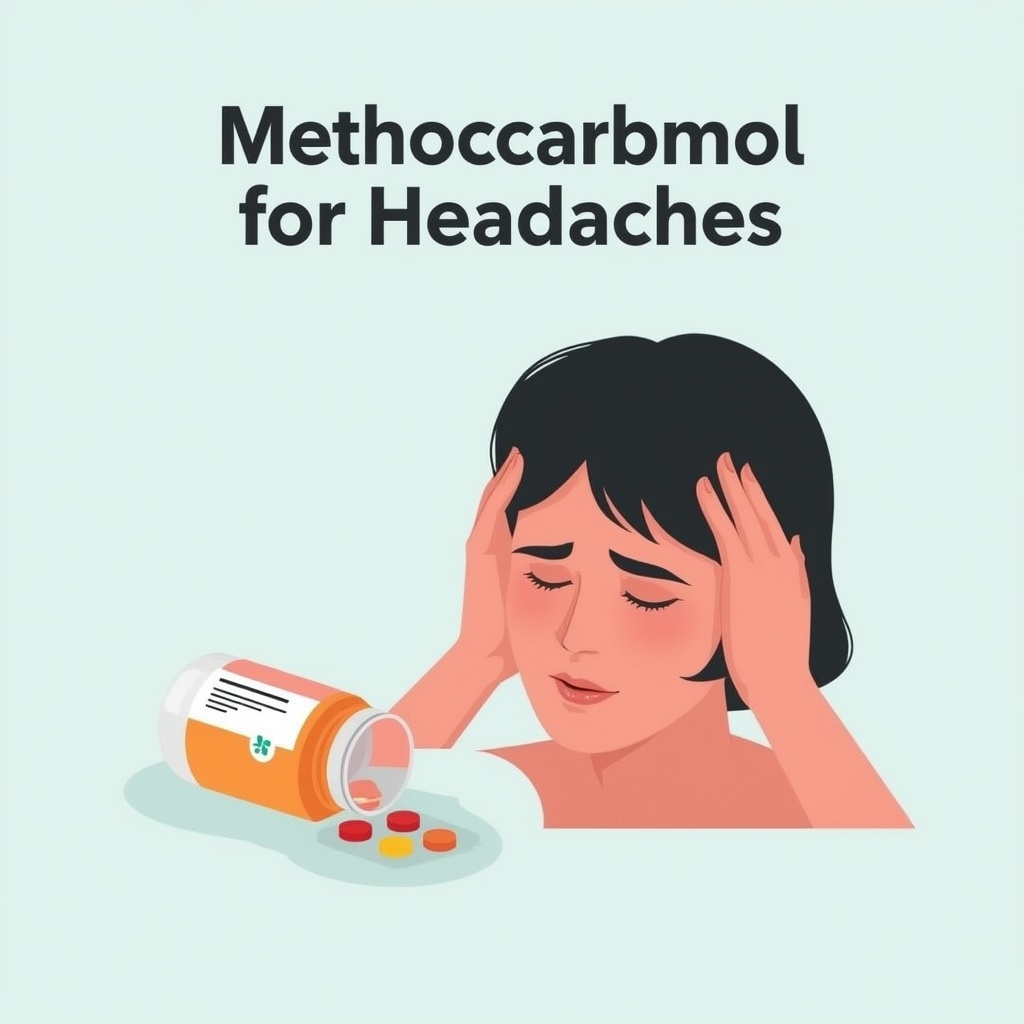
Important to note: methocarbamol is not a migraine-specific medication and does not treat the neurovascular mechanisms that drive typical migraine attacks. Its value in headache care is mostly adjunctive — used alongside analgesics, physical therapy, or posture correction — rather than as a standalone cure for primary headache disorders.
Headache types that may benefit
Not all headaches respond to muscle relaxants. When considering methocarbamol for headaches, the most likely candidates are:
- Tension-type headaches: where bilateral tightness and scalp/neck muscle tenderness are prominent.
- Cervicogenic headaches: headaches originating from cervical spine dysfunction or neck muscle spasm.
- Secondary headaches tied to acute muscle injury or postural strain (for example, after heavy lifting or prolonged poor posture).
Migraine and cluster headaches generally do not improve from muscle relaxants alone; these conditions often require targeted therapies like triptans, CGRP blockers, or preventive medications. That’s why assessing the dominant cause of the headache is essential before turning to methocarbamol.
Evidence and studies
Clinical evidence for methocarbamol specifically for headaches is limited. Most published data relate to muscle relaxants as a class or small trials focusing on acute cervicogenic pain. Some randomized trials and observational studies have shown benefit when muscle relaxants are combined with other treatments (e.g., NSAIDs, physiotherapy) for tension-type and neck-related headaches, but results vary by study design and population.
Key takeaways from the literature:
- Methocarbamol and similar muscle relaxants can reduce muscle tenderness and improve range of motion in the short term.
- Combination therapy (analgesic + muscle relaxant) often offers better symptomatic relief than analgesic alone for muscle-origin headaches.
- There is a lack of large, high-quality trials that prove methocarbamol is superior to other muscle relaxants for headache relief.
Dosage and administration
Typical adult dosing for methocarbamol varies by formulation and indication. For acute muscle spasm-related headache scenarios, healthcare providers commonly prescribe:
| Form | Common Adult Dose | Frequency |
|---|---|---|
| Oral tablet | 500 mg to 1,500 mg | Every 6–8 hours as needed (max 6 g/day depending on guidance) |
| IV (hospital use) | 1–2 g initial | May repeat based on response and clinician judgment |
Because dosing recommendations can differ, always follow your prescriber’s instructions. Methocarbamol’s sedative effects often peak a few hours after dosing, so avoid driving or operating heavy machinery until you know how it affects you.
Side effects and risks
Methocarbamol’s most common side effects are related to its central nervous system depression:
- Drowsiness, dizziness, and lightheadedness
- Confusion or impaired coordination (more likely in older adults)
- Nausea, headache (paradoxical), and gastrointestinal upset in some people
Rare but serious adverse effects can include allergic reactions, hypotension, or severe central depression when combined with other sedatives. Long-term use of methocarbamol is generally not recommended for chronic headache management due to limited benefit and the risk of tolerance, sedation, and interference with rehabilitation activities.
Interactions and contraindications
Methocarbamol for headaches should be used cautiously when other central nervous system depressants are present. Notable interactions and contraindications include:
- Alcohol and benzodiazepines: additive sedation and respiratory depression risk
- Opioids: increased risk of drowsiness and impaired breathing
- Certain psychiatric medications: potential for enhanced sedation or altered mental status
- Pregnancy and breastfeeding: limited safety data — discuss with your clinician
People with severe kidney or liver disease, older adults, or anyone with a history of substance use disorder should discuss methocarbamol’s risks versus benefits with a prescriber. Also, avoid methocarbamol if you have a known hypersensitivity to the drug.
Comparison with other treatments
When thinking about methocarbamol for headaches, it helps to see how it stacks up against common alternatives: NSAIDs for pain and other muscle relaxants for spasm relief. The table below summarizes practical differences.
| Medication/Class | Primary Action | Typical Use in Headache | Main Downsides |
|---|---|---|---|
| Methocarbamol | Central muscle relaxant, sedative | Tension/cervicogenic headaches with muscle spasm | Drowsiness; limited migraine efficacy |
| Cyclobenzaprine | Muscle relaxant with anticholinergic effects | Tension headaches and neck spasm; often effective | Dry mouth, sedation, anticholinergic effects |
| NSAIDs (ibuprofen, naproxen) | Anti-inflammatory analgesic | Acute pain relief for many headache types | GI, renal risks with frequent use |
In practice, clinicians often combine a short course of a muscle relaxant like methocarbamol with a pain reliever and non-drug measures (stretching, posture correction, heat or cold, and physical therapy) for best results.
Practical tips and precautions
Using methocarbamol for headaches effectively and safely means pairing medication with sensible habits. Consider these practical tips:
- Use the lowest effective dose for the shortest possible timeframe to control muscle-related headache pain.
- Avoid alcohol and sedative medications while taking methocarbamol to reduce the risk of dangerous drowsiness.
- Combine medication with physical therapies: neck stretches, ergonomic changes, and targeted massage can address underlying triggers.
- Monitor for side effects: if you feel unusually confused, faint, or have breathing trouble, seek immediate care.
- Keep a headache diary to track triggers, effectiveness, and any side effects so you and your clinician can adjust treatment appropriately.
When to see a doctor and alternatives
See a healthcare professional if headaches are new, worsening, or accompanied by red flags like sudden severe onset, neurological symptoms (weakness, vision changes, speech difficulty), fever, or stiff neck. If methocarbamol provides only partial or short-lived relief, your provider may recommend alternatives:
- Targeted migraine therapies (triptans, gepants, CGRP monoclonal antibodies) for migraine.
- Longer-term preventive medications when headaches are frequent (beta-blockers, certain antidepressants, anticonvulsants).
- Other muscle relaxants like cyclobenzaprine or tizanidine, chosen based on side effect profiles and comorbidities.
- Nonpharmacologic approaches: physical therapy, cognitive behavioral therapy, biofeedback, and lifestyle modifications.
In summary, methocarbamol for headaches can be a useful tool when muscle spasm is a primary driver of pain. It works best as part of a broader treatment plan that addresses triggers, posture, and overall pain management — always under the guidance of a clinician familiar with your medical history.